Hurricane season is a good reminder that severe weather can happen quickly and bring strong winds, heavy rain, flooding, power outages and other hazards.
While the weather can’t be controlled, preparation can help families stay safe. South Jersey Gas and Elizabethtown Gas, subsidiaries of SJI, offer the following tips to help customers prepare for the possibility of severe summer storms and hurricanes.

Before Severe Weather: Get Prepared
Have a plan. Households should have a plan in place for severe weather, including what to do if conditions become dangerous or an evacuation is necessary. Plans should include pets and anyone who may need additional assistance.
Build an emergency kit. Keep basics like bottled water, nonperishable food, medications, flashlights, batteries and a first aid kit somewhere that's easy to access. Phones and other important devices should also be charged before severe weather arrives.
Know how to use a generator. Anyone with a portable generator should be familiar with the manufacturer's instructions before an emergency occurs. Generators should always be operated outdoors and away from doors, windows and vents. A portable generator should never be connected directly to a home's electrical system.
Stay informed. Monitoring local weather forecasts and emergency alerts can help households stay aware of changing conditions. A battery-powered weather radio can also be useful if power or internet access is lost.
During the Storm: Put Safety First
Stay inside when possible. Once severe weather arrives, the safest place is usually indoors. Weather updates should continue to be monitored and guidance from local emergency officials should be followed.
Watch for downed wires. Strong winds and other severe weather can damage utility equipment. Anyone who sees a downed power line or other utility wire should stay far away and report it to the appropriate utility company. Fallen wires should never be assumed to be safe to touch.
Use caution with lighting and generators. If the power goes out, flashlights or battery-powered lanterns are safer alternatives to candles. Generators should always be operated outdoors and according to all manufacturer safety instructions.
After the Storm: Take It Slow
Be careful outside. The weather may have cleared, but hazards can remain. Gloves and other protective equipment should be worn when cleaning up debris, and caution should be taken around damaged trees, structures and utility equipment.
Stay away from floodwater. Standing or moving water can hide hazards and may be deeper or faster-moving than it appears. Walking or driving through flooded areas should be avoided whenever possible.
Protect food during an outage. If the power is out, refrigerator and freezer doors should remain closed as much as possible. This helps maintain the temperature inside and can keep food cold for longer while waiting for power to be restored.
Know What to Do if You Smell Natural Gas
Natural gas is treated with an odor similar to rotten eggs to make a leak easier to detect. If natural gas is smelled, leave the area immediately and move to a safe location. Once safely away, call 911 and contact the local natural gas utility.
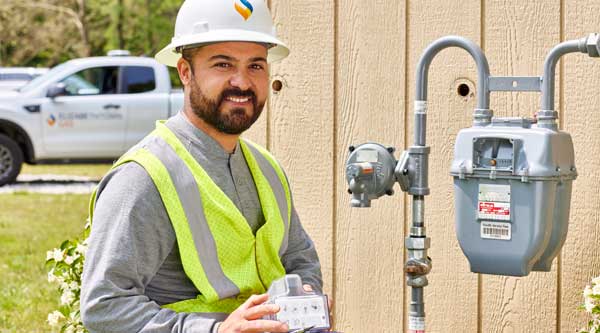
Natural gas service should never be turned on or off by customers. It’s also helpful for customers to know where the natural gas meter is located in case a utility technician needs access following a severe weather event.
Preparation Goes a Long Way
The weather can’t be controlled, but preparation can make it easier to respond safely when conditions change. Taking a few simple steps before severe weather arrives can help families stay prepared.
Keeping emergency supplies stocked, staying informed and making safety a priority can help households stay safe before, during and after the storm.

How SJI Can Help During Storms
At SJI, we’re prepared to support South Jersey Gas and Elizabethtown Gas customers during storms year-round.
Customers can help us by keeping the area around their natural gas meter free of debris and keeping paths to the meter clear and accessible for technicians.
While natural gas lines are underground and generally protected from severe weather, safety remains essential. According to the American Gas Association, 1 in 650 natural gas customers experience a planned or unplanned outage in any given year.
Never attempt to turn your gas service on or off yourself. If you smell natural gas, which smells like rotten eggs, leave the area immediately, call 911, and then contact South Jersey Gas (1-800-582-7060) or Elizabethtown Gas (1-800-492-4009). Do not re-enter the premises until authorized by emergency responders or utility personnel.
At SJI, we’re here to help keep our communities safe—before, during, and after severe weather. For more safety tips, please visit South Jersey Gas - Committed Safety or Elizabethtown Gas - Committed to Safety.